DOOD
Connected customer product experience
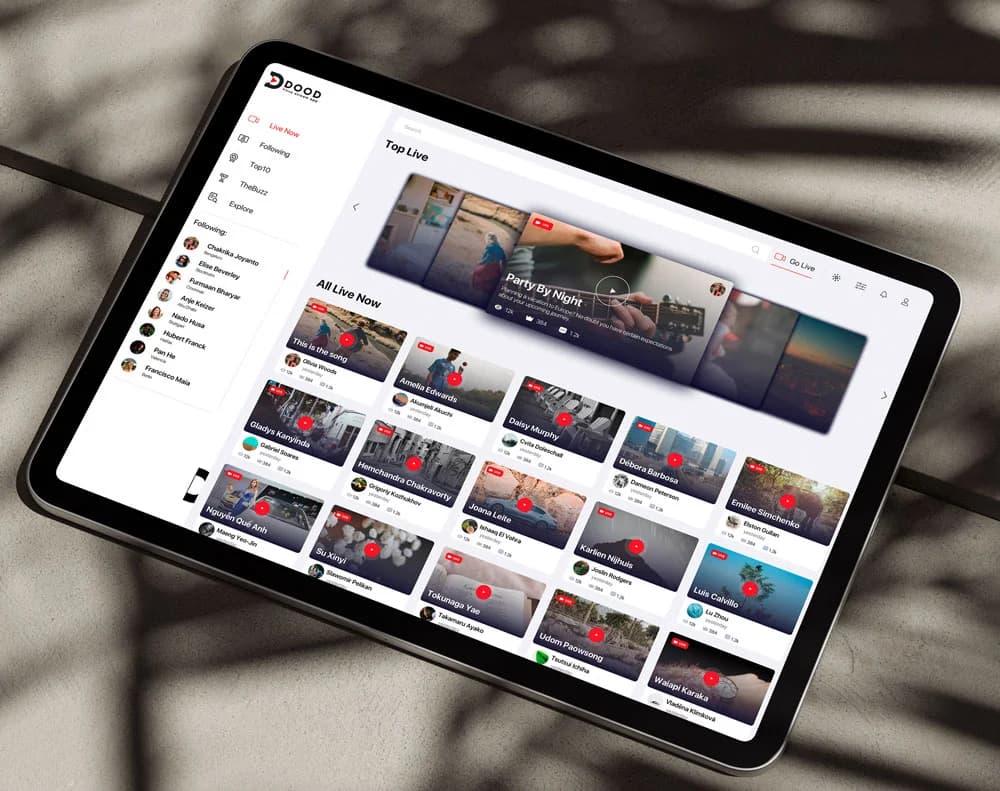
Customer-facing product platform — live content, account and product surfaces designed and engineered as one system, across tablet and mobile.
Design & engineering studio
We build custom product configurators, portals, quote systems and internal tools around your product logic — for companies whose products are too complex for off-the-shelf platforms.
What we build
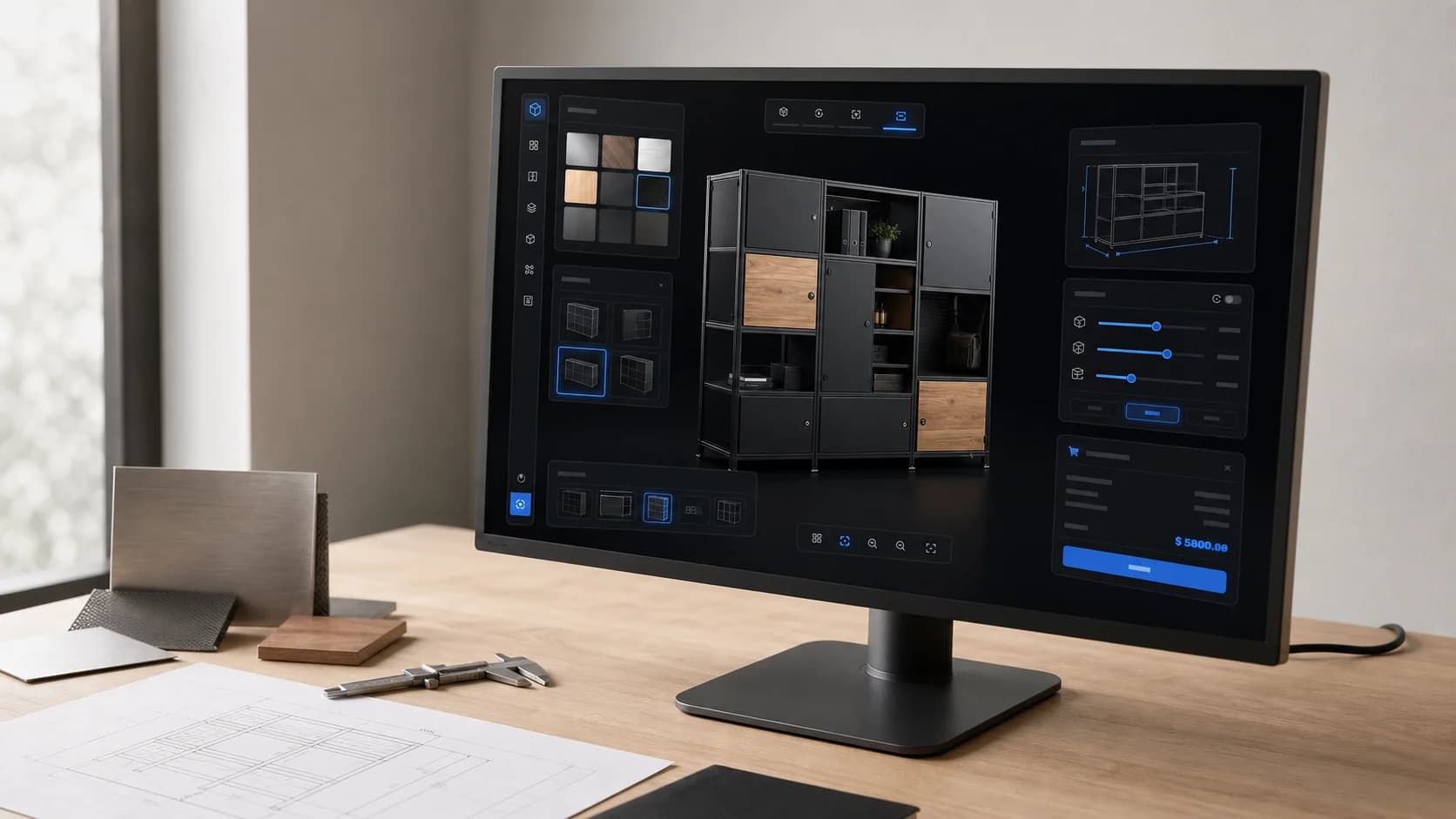
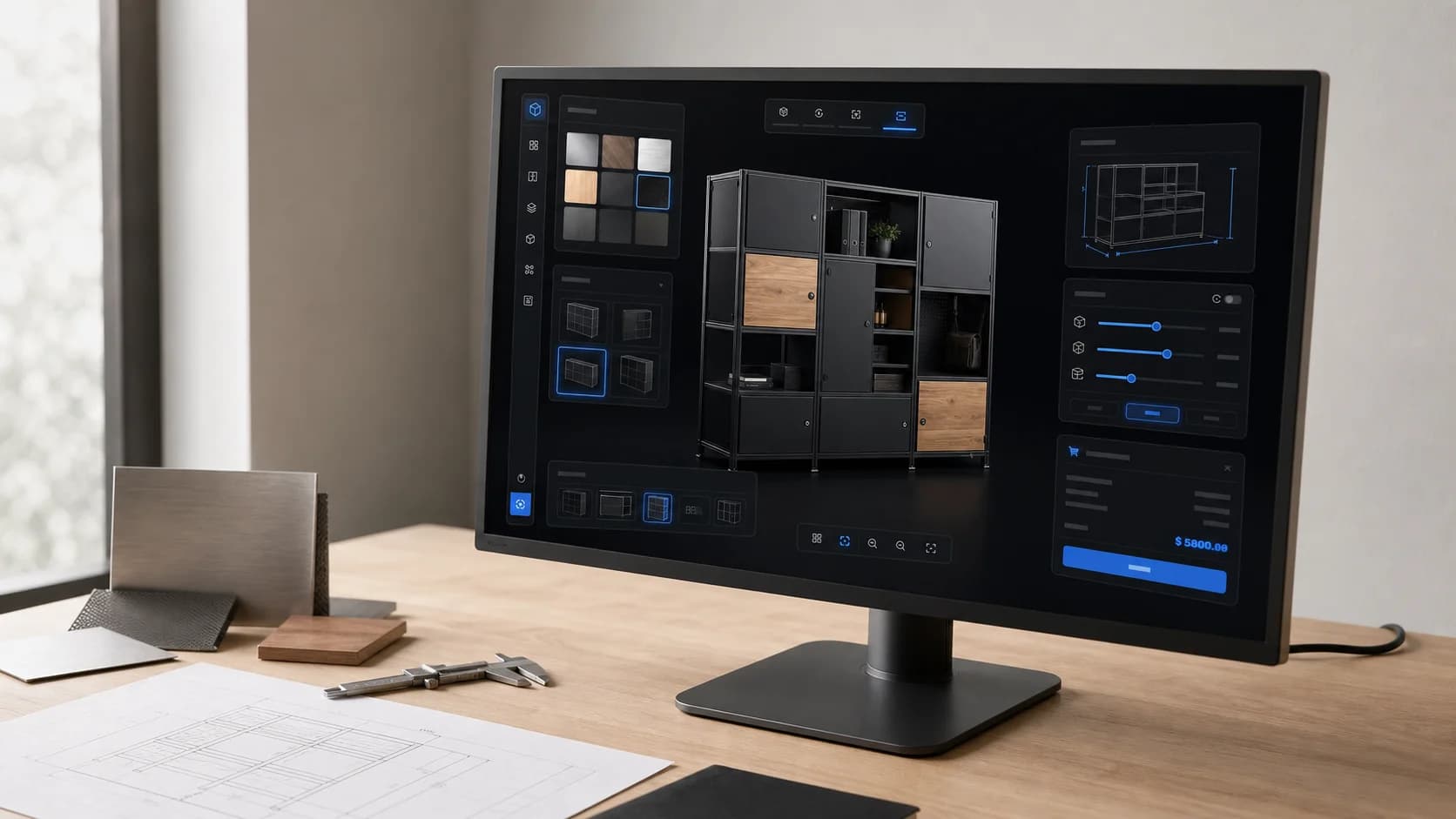
Custom 3D and rules-based configurators — options, constraints, live pricing and manufacturable output.
Learn more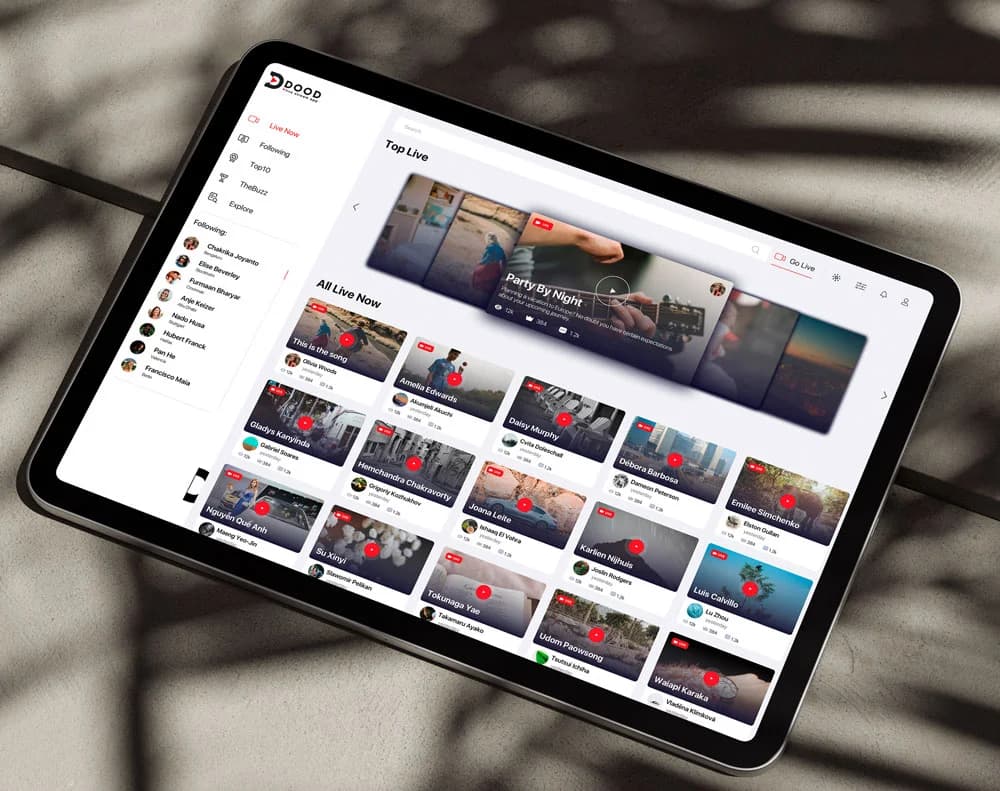
Orders, documents, support and account self-service in one place your customers log into.
Learn more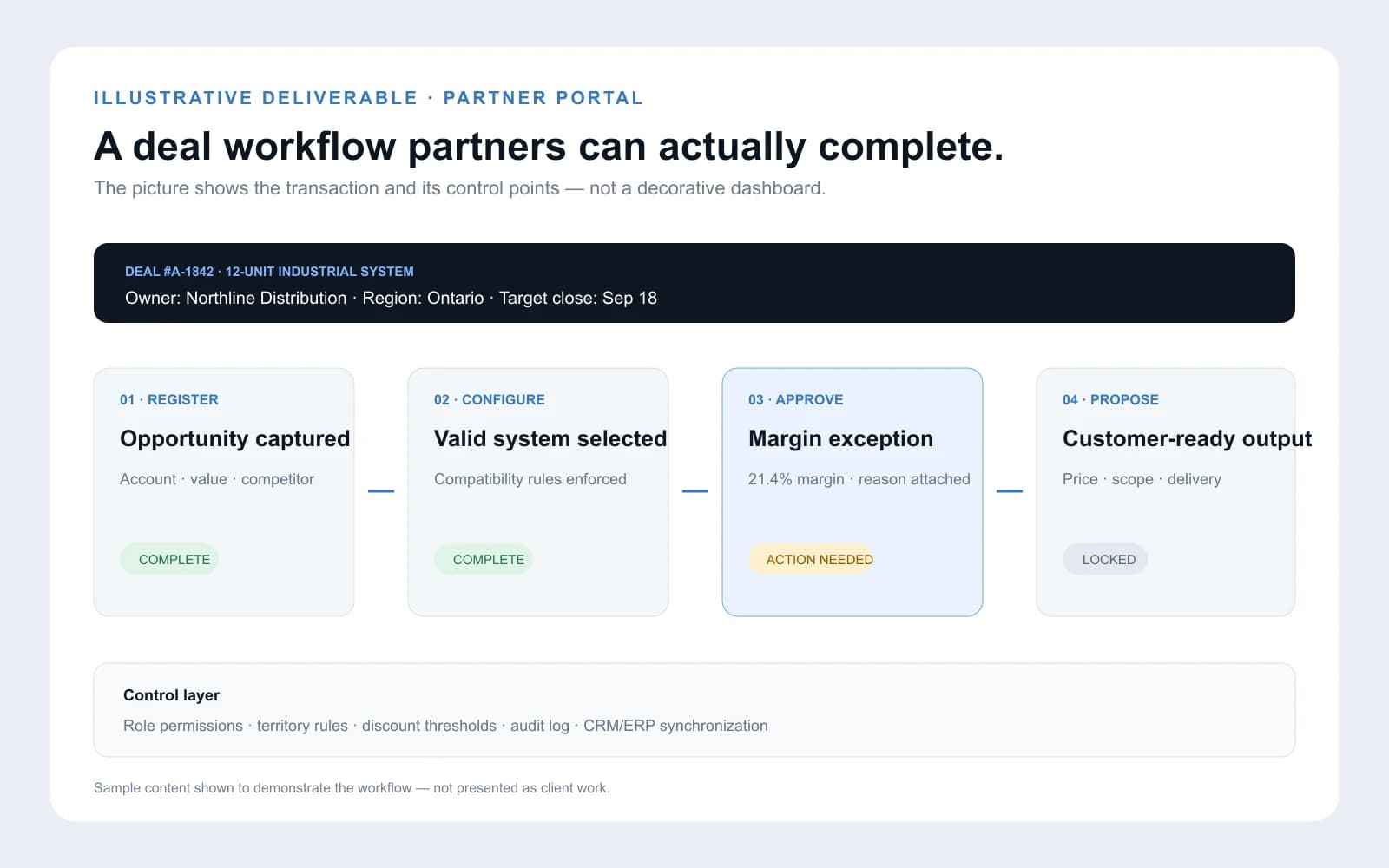
Tiered pricing, lead registration and co-branded assets that make your channel productive.
Learn more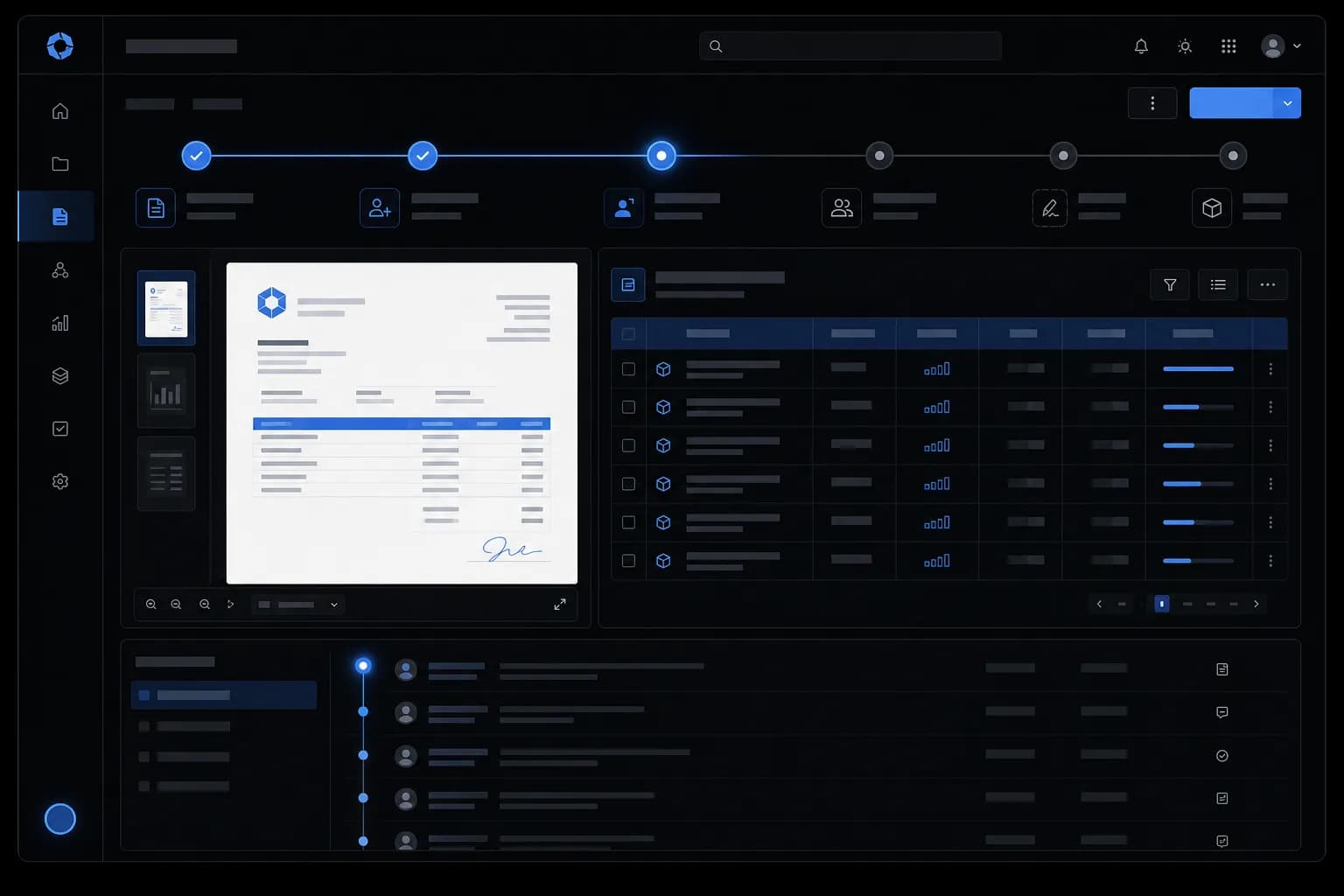
Quote-to-order workflows, contract pricing and approvals for complex B2B selling.
Learn more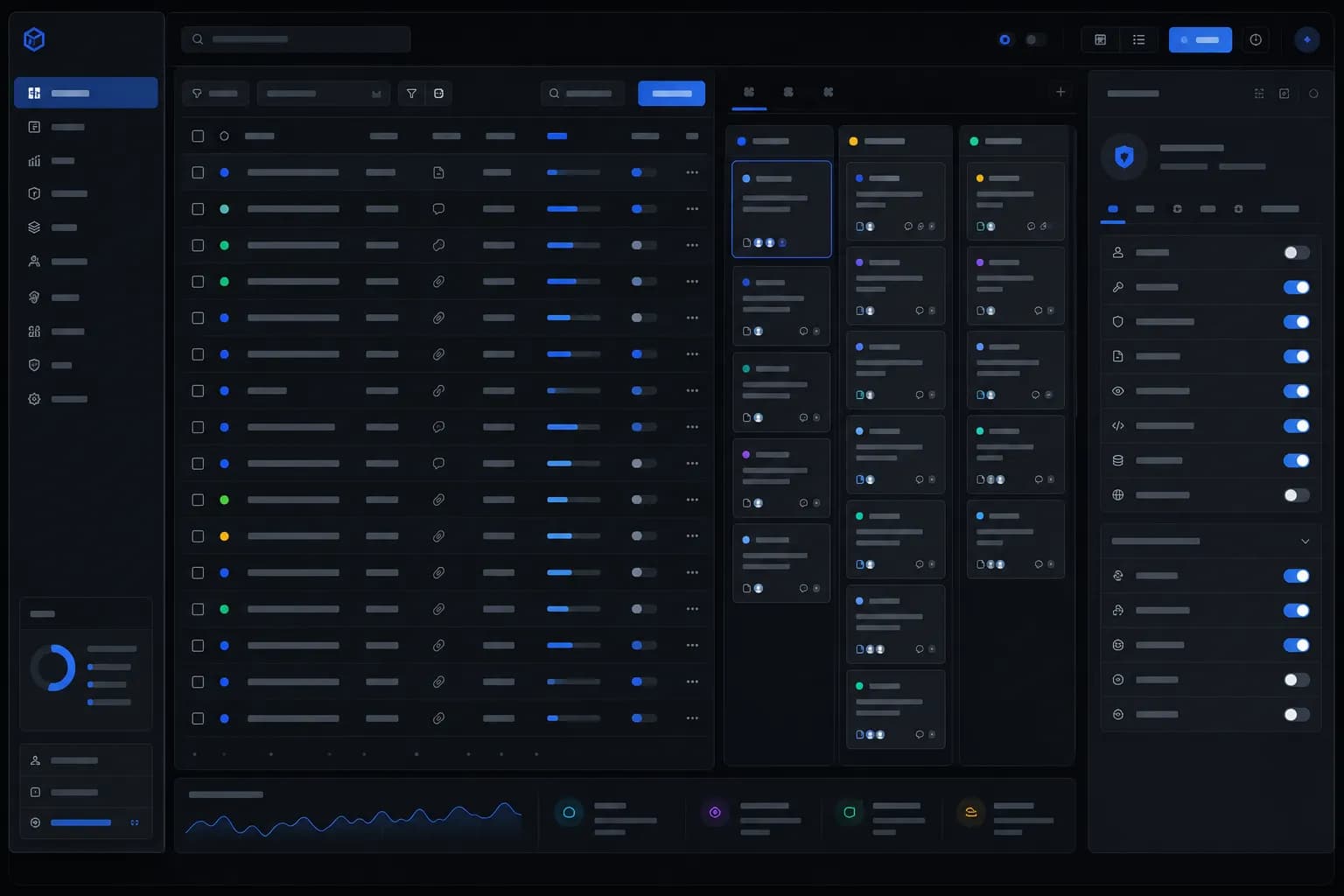
Operations software shaped to your workflows — admin panels, dashboards, process tools.
Learn more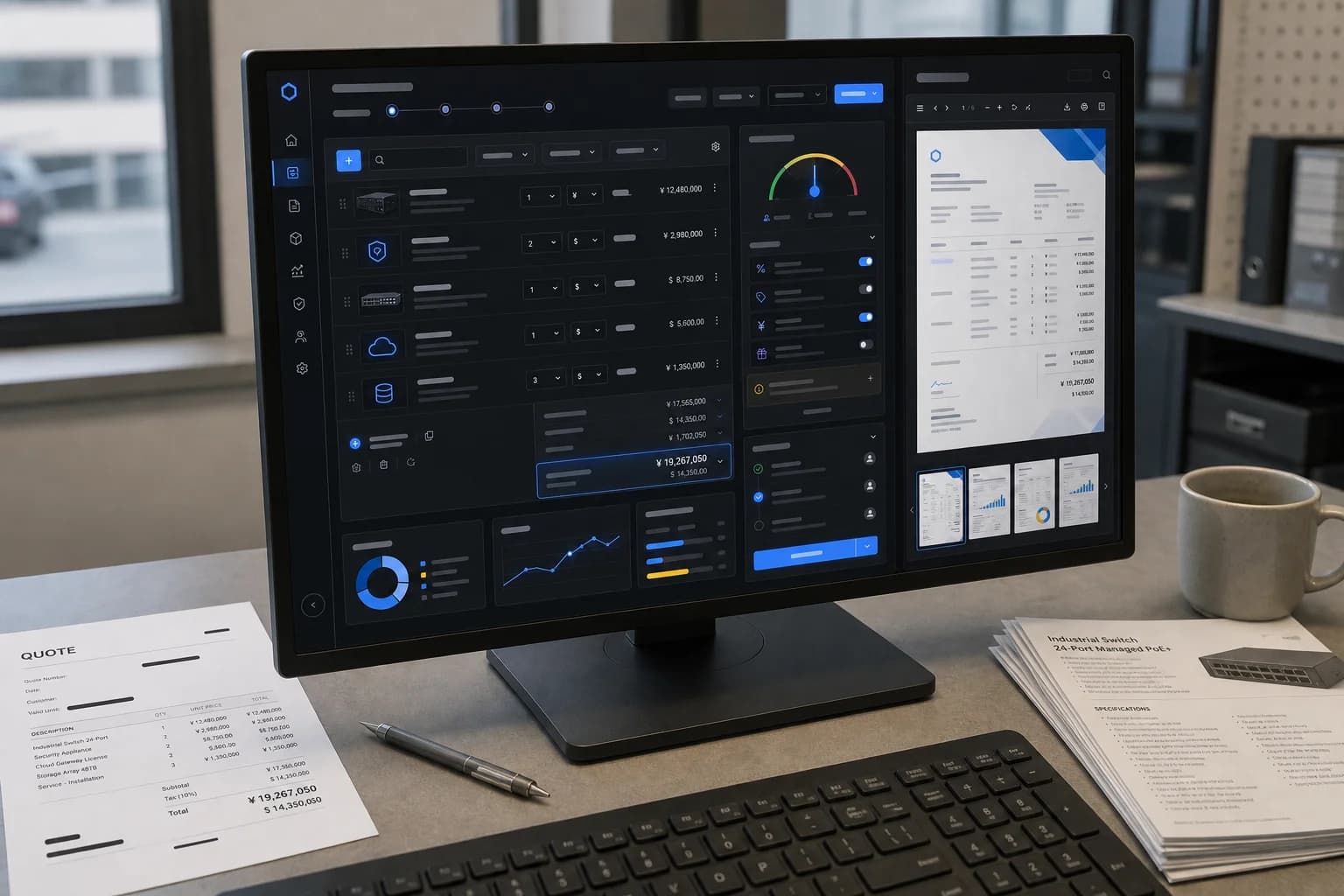
Pricing rules, approval workflows and clean quote output integrated with your ERP.
Learn more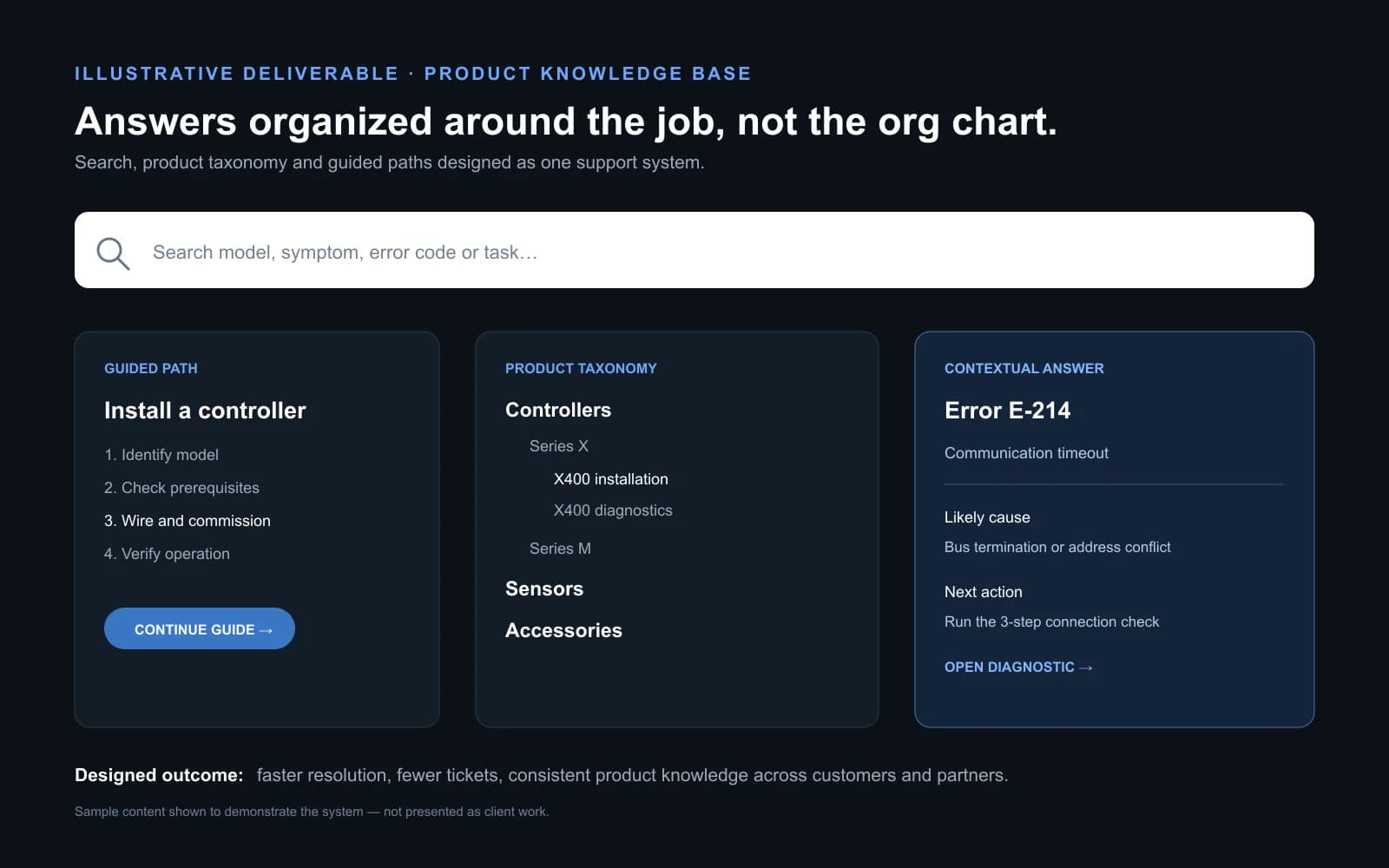
Help centers and product academies designed to deflect tickets and feed AI answers.
Learn moreWhy Product Systems
Most web portal development companies start from a template and ask your product to fit. SaaS platforms flatten your product into theirs. When your product carries real engineering constraints, real pricing rules and real approval chains, the template breaks — and your team goes back to spreadsheets. That’s the moment custom pays for itself.
We encode your actual options, constraints and pricing — not a template’s idea of them.
Every engagement is priced per feature before build starts, from $25k focused phases to $250k platforms.
Source code, documentation, deployment. No per-seat license, no platform lock-in.
Features are reviewed in the running application every week — not in status reports.
Who this is for
Our clients are manufacturers, industrial suppliers and B2B companies whose products come with real complexity. Configurable dimensions and materials. Engineering constraints. Tiered contract pricing, dealer networks, approval chains. Maybe your sales team keeps a master spreadsheet nobody else understands. Maybe buyers email you because the website can’t answer “what would my version cost.” That’s the signal. A configurator, portal or quote system turns that hidden knowledge into software your customers and team use every day.
Typical engagements run from $25,000 for a focused design phase to $250,000 for a full platform, and every one starts with a mapping session — so you see the scope, the price and the feature breakdown before any build begins.
Plays well with your stack
A product system only works when it talks to the software you already run. We integrate with ERP and accounting systems for pricing and inventory, CRM for leads and accounts, e-signature for quote acceptance, and payment providers where orders close online. Output formats match your production reality — clean PDFs for buyers, ERP-ready line items for operations, CAD-adjacent specs where manufacturing needs them.
Selected work
DOOD
Customer-facing product platform — live content, account and product surfaces designed and engineered as one system, across tablet and mobile.
Sky
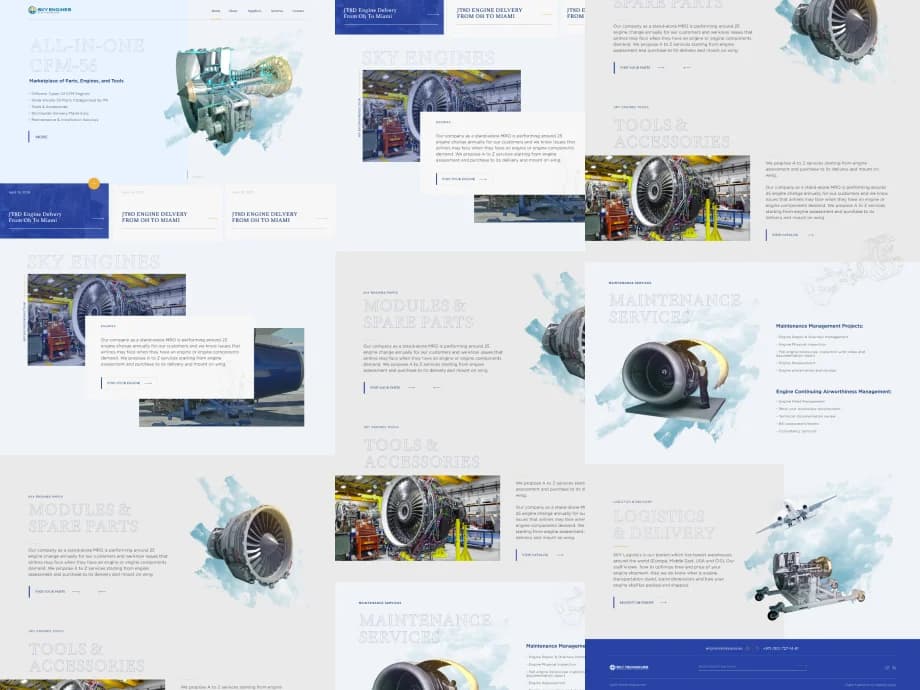
Product UX structure and interface system — the screens and information architecture that carry the product experience end to end.
How projects run
We learn your product, your buyers and the systems you already run.
Your product rules and workflows become a written specification.
Staged scope, acceptance criteria, a per-feature breakdown — no lump sums.
Working software every week, highest-value workflows first.
Code, documentation and deployment are yours. Extend when you choose.
What buyers ask first
No — a design and engineering studio. Every configurator, portal and tool is custom-built around one client’s product logic. You own the code; there is no per-seat subscription.
From $25,000 for a focused design phase to $250,000 for a full portal or configurator with deep ERP integration. Every project gets a fixed price at the mapping session — before build begins.
Discovery call, mapping session, written specification, then weekly working demos — features reviewed in the running application, not in status reports.
Source code, documentation and deployment — the system is yours, including the choice of who maintains it. Extension phases are there when you want them, not a lock-in.
That usually means it’s hard to buy. A mapping session turns your product logic into a fixed-price specification — and shows you exactly what a configurator, portal or quote system would look like.